


The democratic deficiencies of Uganda’s 2026 elections
What you need to know:
- Elections have therefore become rituals for procedural compliance rather than expressions of popular sovereignty.
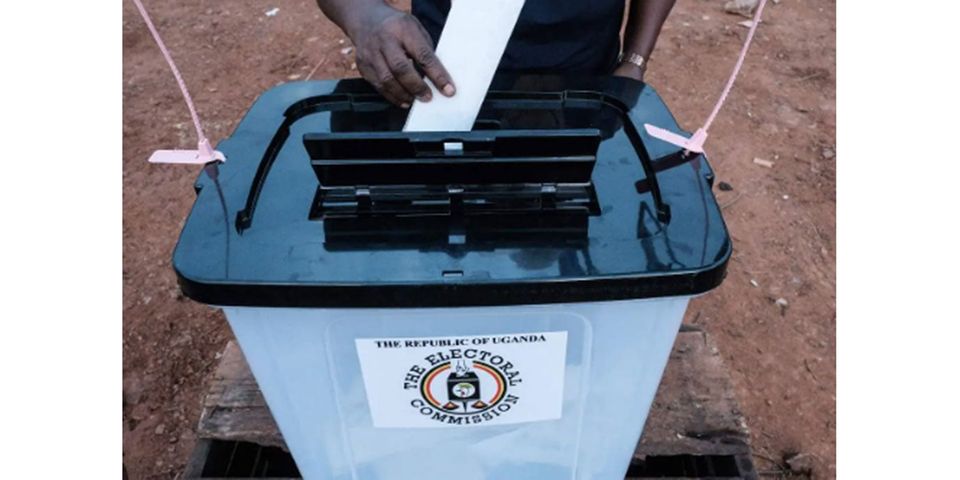
The conclusion of Uganda’s Presidential and Parliamentary elections has once again raised a familiar but unresolved question: Do electoral outcomes in Uganda genuinely reflect the aspirations of the people?
While elections in Uganda are routinely presented as evidence of democratic legitimacy, the deeper issue is whether they translate popular desires for freedom, welfare and economic justice into political power.
For many Ugandans including myself, the election period was not merely about choosing leaders but about frustration with persistent economic hardship, corruption, limited opportunities, poor roads, health services, etc. Yet, the final results delivered continuity rather than transformation.
This disjuncture between popular aspiration and electoral outcome is not accidental. It is structural, systemic and deeply political.The failure of electoral outcomes to reflect public aspirations is rooted in long standing structural constraints. These include uneven access to media, restrictions on political organisation, the routine abuse of state resources too entrench incumbency and an electoral environment that systematically disadvantages Opposition actors. Political competition exists, but it is tightly managed.
Under President Yoweri Museveni’s nearly four decade rule, Uganda’s political system has become increasingly centralised and personalised. Institutions like the Electoral Commission, Parliament and security agencies that should safeguard popular sovereignty operate within an ecosystem shaped by executive dominance. As a result, elections are conducted in a context where outcomes are heavily conditioned long before ballots are cast.
Elections have therefore become rituals for procedural compliance rather than expressions of popular sovereignty.
Decolonial analysis reminds us that many post colonial states inherited institutions designed to enforce order without consent, growth without justice and stability without dignity.
Uganda’s electoral system reflects this legacy. It prioritises stability and regime continuity over mass participation and accountability. The elections were further undermined by reports of violence, intimidation and heavy militarisation of the political environment. Security forces were deployed extensively creating an atmosphere of fear rather than free choice. Campaign activities were disrupted, Opposition supporters arrested or assaulted and political mobilisation treated as a security threat.
The violence functioned as a tool of electoral management, shaping behaviour and discouraging participation.Uganda throughout the entire electoral cycle associated political engagement with risk to life and liberty and therefore elections cannot credibly claim to reflect free and informed consent.
The credibility of the electoral process was also undermined by widespread violence and confrontations at tally centres where disputes over alleged rigging, ballot stuffing and the alteration of Declaration of Results (DR) forms were common. In several instances, candidates and their agents challenged figures announced by electoral officials citing discrepancies between the ones declared at the polling stations and those aggregated at higher tallying levels.
These tensions at times escalated into physical fights and forceful removal of agents, raising serious concerns about transparency and procedural integrity. This not only eroded trust in the announced outcomes but also deepened the democratic deficit by disconnecting electoral participation from meaningful political accountability.
Electoral manipulation in Uganda should therefore be understood not as isolated acts of rigging, but as a cumulative system encompassing legal, administrative, coercive and technological dimensions. Democracy is not merely a political ideal but an economic necessity. Without it, welfare gains are fragile, uneven and easily reversed.
When political systems fail to respond to popular aspirations, the economic consequences are profound. Policies remain detached from lived realities, public resources are misallocated and accountability weakens.
The lesson from Uganda’s elections is not that democracy has failed, but that elections alone are insufficient, especially when conducted within militarised state structures.
Genuine representation requires expanded civic space, demilitarisation of politics, independent institutions and economic systems that empower citizens rather than marginalise them. The challenge is to move beyond electoral rituals toward democratic systems rooted in popular consent, economic justice and freedom.
O’kirya Kokolyoko Agii, lawyer, founder and CEO- Afrieconomics.